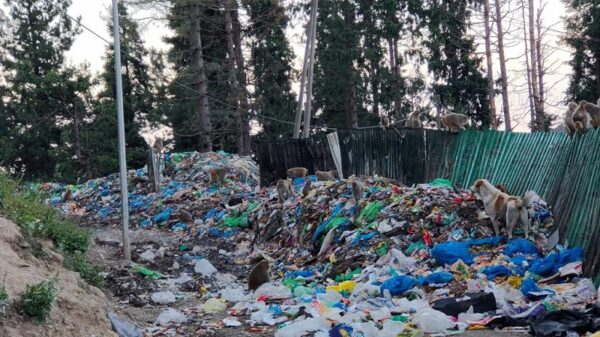
Jammu and Kashmir, known for its breathtaking natural beauty, is facing a growing environmental threat: polythene pollution. The once-pristine valleys, lakes, and forests are now littered with plastic waste, posing a significant risk to the region’s ecosystem and public health. once considered as the symbol of purity are scarred by heaps of polythene bags, bottles, and other single-use plastics. What was once pristine is slowly being buried under the layers of waste.
According to recent data published by Kashmir Observer , Jammu and Kashmir generates aproximately 51,000 tonnes of plastic waste annually, with Kashmir alone contributing 31,000 tonnes . This staggering figure is a result of the widespreaduse of polythene bags, plastic bottles, and other single-use plastics. The situation is further exacerbated by the lack of proper waste management infrastructure, leading to the dumping of plastic waste in water bodies, landfills, and forest areas.
The impact of polythene pollution on Jammu and Kashmir’s environment is multifaceted. Plastic waste chokes water bodies, like Dal lake , the Jhelum River , natural springs , ponds etc affecting aquatic life and human health . The soil and forests are also contaminated with plastic waste, leading to soil degradation and loss of biodiversity. Furthermore, the burning of plastic waste releases toxic fumes, contributing to air pollution and respiratory problems.
Despite the ban on polythene bags and single-use plastics, implemented by the Jammu and Kashmir government in 2022, the use of these items continues unabated . The lack of effective enforcement and public awareness has rendered the ban ineffective. Without real options and real consequences, bans are just words on paper. The government’s failure to provide alternative, eco-friendly options has also contributed to the continued use of polythene bags. The tragedy is not just environmental — it is social, cultural, and even economic, as the beauty that sustains tourism and livelihoods is being eroded piece by piece.
To combat polythene pollution in Jammu and Kashmir, a multi-faceted approach is necessary. The government must Effectively implement the ban on polythene bags and single-use plastics, with strict penalties for violators.
The goverment should also provide incentives for businesses and individuals to switch to eco-friendly alternatives, such as biodegradable bags and compostable packaging. There is also a need to
Develop and upgrade waste management facilities, including recycling plants and composting units. Least but not last , there is a dire need to Launch public awareness campaigns to educate citizens about the dangers of polythene pollution and the importance of proper waste disposal .
Collective efforts by the Government and public will contribute to the preservation of the Valley’s natural beauty for generations to come. There is also a need to synchronise the policies and strategies with the behaviour pattern of the people and take them on board while formulating any plan of preservation effective implementation.
The fight against polythene pollution cannot be won by the government alone. It demands participation from businesses, shopkeepers, students, families — All of us. Together, we can ensure that the image of Kashmir passed down to the next generation is not one of polluted rivers and dying forests, but of the breathtaking landscapes that inspired poetry, art, and spirituality for centuries.
Jammu and Kashmir’s natural beauty is more than a backdrop — it’s our identity, our pride, and our future. Saving it starts with us.
Aashaq Khanday is teacher by profession and can be mailed at