
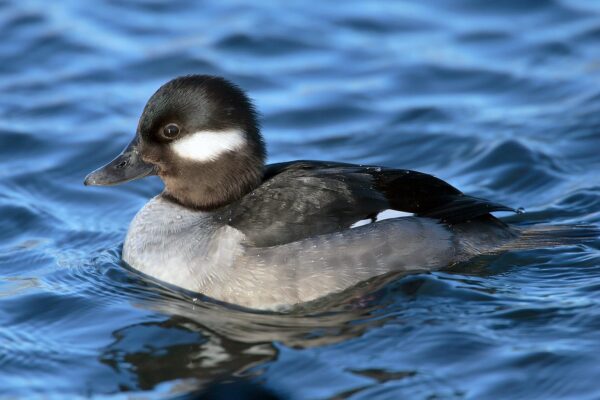
Srinagar, Feb 17:- In a region where iconic water bodies like Dal Lake, Wular Lake, and Manasbal Lake etc. are battling pollution, encroachment, and unchecked weed growth, an age-old practice is emerging as a surprising ray of hope — duck farming.
Environmental observers and local stakeholders believe that scientifically managed duck farming could help improve water quality while boosting the local economy.
Ducks naturally feed on aquatic weeds, algae, insects, and larvae — elements that contribute to ecological imbalance when left unchecked. By grazing on excessive vegetation, ducks can help control weed overgrowth that suffocates lakes and disrupts aquatic life.
Experts note that duck droppings, when managed within ecological limits, can enhance plankton growth, supporting fish populations under integrated fish-duck farming systems — a model successfully implemented in parts of Southeast Asia.
Beyond environmental benefits, duck farming offers:
Sustainable livelihood opportunities
Increased production of eggs and meat
Potential integration with fisheries
Scope for eco-tourism initiatives
For communities around Dal, Wular, and Manasbal etc lakes, this could mean both environmental restoration and economic revival.
However, experts caution that duck farming is not a “miracle cure.” If implemented without scientific assessment, excessive duck populations could increase nutrient loads, worsen algal blooms, and reduce oxygen levels in already stressed water bodies.
While duck farming alone cannot reverse decades of ecological damage, it could become an important component of a broader lake restoration strategy — alongside sewage treatment, desilting, weed removal, and strict regulation of pollution sources.
As Kashmir searches for sustainable solutions to revive its historic lakes, ducks may yet prove to be small but powerful allies in restoring both ecology and economy.(CNS)