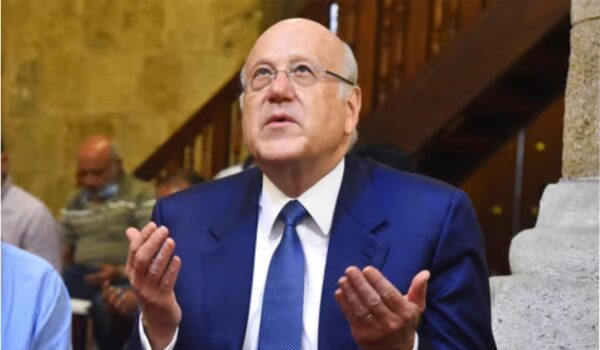
Lebanese Prime Minister Najib Mikati expressed hope that a ceasefire can be reached soon to end fighting between Israel and Iran-backed Hezbollah that has shaken his country and raised fears of a ground invasion.
The United States, France and several allies called for an immediate 21-day ceasefire across the Israel-Lebanon border while also expressing support for a ceasefire in Gaza following intense discussions at the United Nations on Wednesday.
Israeli Prime Minister Benjamin Netanyahu, heading to New York to address the United Nations, said he had not yet given his response to the ceasefire proposal and had instructed the army to fight on. Hardliners in his government said Israel should reject the truce and keep hitting Hezbollah.
Meanwhile, there was no let-up in violence. Israeli airstrikes overnight hit around 75 Hezbollah targets in the Bekaa Valley and southern Lebanon, including weapons storage facilities and ready-to-fire launchers, the Israeli military said on Thursday.
In the latest deadly strike, at least 23 Syrians, most of them women and children, were killed when Israel hit a three-story building in the Lebanese town of Younine overnight, the town’s mayor, Ali Qusas, told Reuters. Lebanon is home to around 1.5 million Syrians who fled civil war there.
The Israeli military said dozens of Hezbollah targets were attacked, including terrorists, military buildings and weapons depots, in several areas this morning. Around 45 projectiles were fired from Lebanon towards the western Galilee area, some of which were intercepted with the rest falling on open ground, said the Israeli military.
Netanyahu repeated pledges to ensure that tens of thousands of Israelis evacuated from northern border areas can return home. Finance Minister Bezalel Smotrich, who heads one of two nationalist-religious factions in the governing coalition, said Hezbollah should be crushed and that only its surrender would make it possible for the evacuees to return.