Rehmani Applauds Private Schools For Sustaining Quality Education In Kashmir: “Every Fee Paid Supports Teachers, Non-Teaching Staff And The Future Of Education”
Urges Govt To Ease Regulations For Private Schools In Jammu & Kashmir
G.N. Var Praises Wali Rehmani For Highlighting Key Educational Issues In J&K
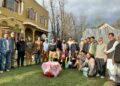
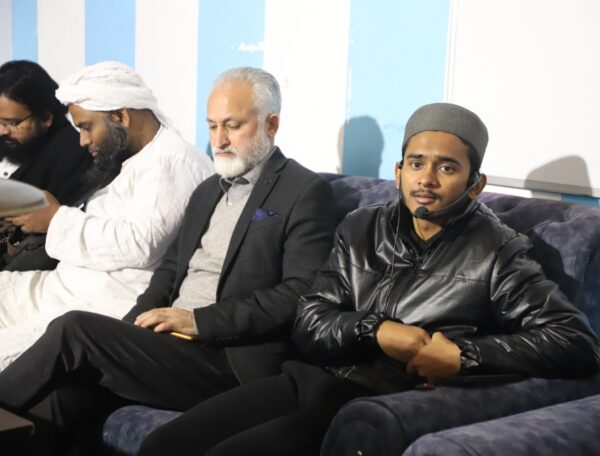
Srinagar: Renowned motivational speaker Wali Rehmani, known for his powerful speeches on education, youth empowerment and social justice, visited Kashmir on the invitation of the Private Schools Association of Jammu and Kashmir (PSAJK). Accompanied with Dr. Safdar Quddus, a distinguished mathematician with a Ph.D. from Washington University and Tafzeel Kamal, CAO of Umeed Global School (West Bengal). Over the years, Rehmani has inspired thousands of students through his mentorship, advocacy for minority rights, and efforts to uplift underprivileged communities.
During his three-day visit, he interacted with edu leaders, students and school administrators across multiple institutions, gaining valuable insights into the region’s education sector. His discussions focused on strengthening the private education sector, ensuring equitable learning opportunities and addressing key challenges in Jammu & Kashmir’s academic landscape.
Over the course of his visit, Wali Rehmani toured 11 schools in the Kashmir Valley, including two under construction and engaged with over 1,200 teachers and educationists. Expressing gratitude to PSAJK President G.N. Var, he described his experience as deeply enriching and insightful.
One of the key issues Rehmani highlighted was the need for private schools to allocate at least 25% of their seats to underprivileged students, in accordance with the Right to Education (RTE) policy. He emphasized that despite Kashmir’s already reasonable school fee structure, many children still lack access to quality education. He urged schools to adapt their models to accommodate such students and ensure equitable learning opportunities for all.
Rehmani also addressed the ongoing debate on school fee regulations in Jammu & Kashmir, asserting that the current fee structure is among the lowest in India. He called for a balanced approach, where the government ensures the sustainability of private institutions while maintaining accessibility for students. Criticizing the arbitrary fee caps imposed by the Fee Fixation and Regulation Committee (FFRC), he stressed that government bodies should engage in open dialogue with school administrations and assess their financial realities before imposing restrictions.
Wali Rehmani lauded the efforts of private institutions in bridging the education gap in Kashmir. He acknowledged that private schools are essentially filling the void left by government-run institutions and should be supported rather than hindered by restrictive policies.
“If the J&K government wants to regulate fees, it must first provide free and quality education in government schools. Private schools are stepping in where the system falls short and instead of making their work difficult, authorities should facilitate them,” he remarked.
He further said, “Parents pay fees to private schools as a necessary investment in their children’s future, not as a gratuitous favor. These payments are reinvested into the community, enabling private schools to maintain high-quality education, state-of-the-art facilities and dedicated staff. By generating employment opportunities for both teaching and non-teaching staff, private schools contribute significantly to local economic growth. This cycle of investment not only uplifts individual students but also strengthens the entire community. It is crucial for both parents and the government to recognize that the fees paid are essential for sustaining an educational ecosystem that benefits everyone.”
Wali Rehmani urged PSAJK and school owners to initiate formal discussions with the government and, if necessary, approach higher authorities, including the High Court and Supreme Court to seek justice for private educational institutions. He emphasized the need for constructive dialogue between educators, government officials, and parents to build a sustainable and quality-driven education system in Jammu & Kashmir.
Dr. Safdar Quddus also held interactive sessions with teachers from various local schools in Kashmir, where he discussed innovative teaching methodologies and the importance of quality education in shaping the minds of future generations.
Speaking on the occasion, Dr. Quddus said, “A strong education system does not merely produce graduates; it nurtures visionaries, scientists, and leaders who shape the future. Kashmir has immense talent, and if we provide our students with the right resources, mentorship, and opportunities, they can compete and excel in any field on the global stage.”
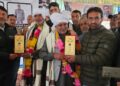
PSAJK President G. N. Var expressed his gratitude to Wali Rehmani and Dr. Safdar Quddus for their visit to Kashmir and the valuable discussions they initiated. He appreciated Rehmani’s keen observations and commitment to education reform, stating that such engagements help strengthen the education system in Jammu & Kashmir.
“Wali Rehmani’s visit has brought crucial educational issues to the forefront. His insights and advocacy for equitable education align with our mission to provide quality education for all. We thank him for his time, efforts, and contribution to the education sector in India,” Var said.
Concluding his visit, Rehmani expressed optimism about the future of education in Jammu & Kashmir. He praised the dedication of PSAJK and educators, encouraging them to continue striving for academic excellence.
“Education is not just about preparing children for today’s survival but for tomorrow’s challenges. We must equip them with the knowledge and skills to thrive in the future,” he stated.
Wali Rehmani’s visit has ignited crucial discussions on educational policies in Jammu & Kashmir, leaving a lasting impact on students, teachers, and policymakers alike. His commitment to advocating for equitable education has resonated deeply, and his insights are expected to shape future conversations on education reform in the region.