
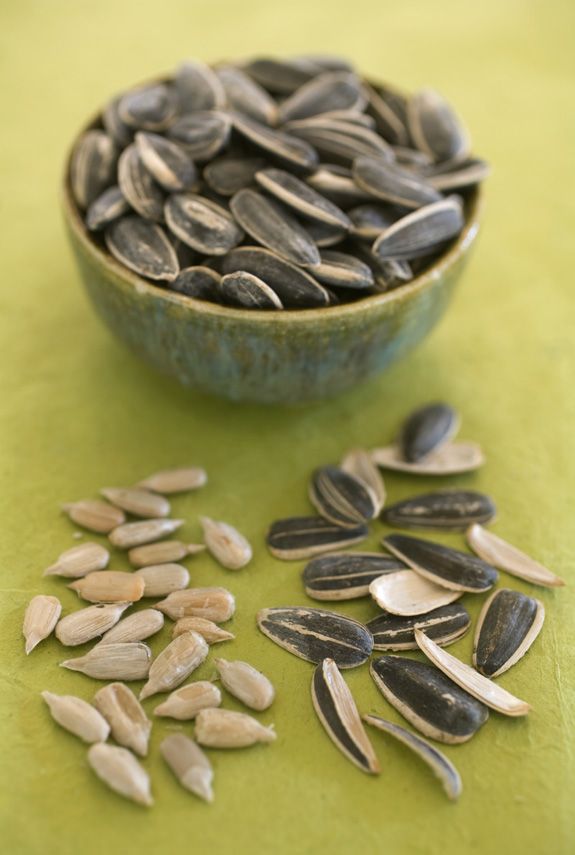
Sleep disturbances, including trouble falling asleep, frequent awakenings, and restless nights, are increasingly common issues in today’s world. While many turn to various remedies to improve sleep quality, one natural yet often overlooked solution is pumpkin seeds. Despite their small size, these seeds contain essential nutrients that can promote restful sleep and contribute to overall well-being.
Pumpkin seeds are packed with various essential nutrients that make them a valuable addition to a balanced diet. It contains beneficial compounds, each playing a significant role in promoting relaxation and restorative sleep:
Magnesium – Known as the “relaxation mineral,” magnesium helps calm the nervous system and regulate neurotransmitters responsible for sleep. Just one ounce of pumpkin seeds can provide nearly 40 percent of the daily magnesium requirement.
- Tryptophan: This amino acid acts as a precursor to serotonin, which the body later converts into melatonin, the hormone that regulates the sleep-wake cycle.
- Zinc: An essential mineral that aids in converting tryptophan into serotonin while also supporting melatonin production. Zinc deficiencies have been linked to sleep disturbances.
- Omega-3 Fatty Acids: These healthy fats help reduce inflammation, support brain function, and indirectly contribute to improved sleep quality.
Apart from this, pumpkin seeds contain a lesser-known compound—glycine. This amino acid acts as a neurotransmitter that signals the body to prepare for sleep by lowering body temperature. Glycine has also been shown to reduce anxiety and enhance deep, restorative sleep stages. Since plant-based sources of glycine are relatively rare, pumpkin seeds stand out as a unique and valuable sleep aid.
Health Benefits of Pumpkin Seeds Beyond Sleep
While pumpkin seeds are highly beneficial for sleep, their advantages extend far beyond improving rest.
- Heart Health: The magnesium and omega-3 fatty acids in pumpkin seeds help regulate blood pressure and improve cholesterol levels, promoting cardiovascular well-being.
- Mood Regulation: By increasing serotonin levels, tryptophan not only enhances sleep but also plays a key role in stabilising mood.
- Hormonal Balance: Rich in phytosterols, pumpkin seeds help regulate hormone levels, which may reduce symptoms associated with menopause and andropause.
- Immune System Support: High in zinc, pumpkin seeds contribute to a stronger immune response, making them particularly beneficial during cold and flu season.
How to Add Pumpkin Seeds to Your Diet
To make the most of their health benefits, here are some simple and delicious ways to incorporate pumpkin seeds into daily meals:
As a Snack: Eating a handful of raw or roasted pumpkin seeds an hour before bedtime provides a natural dose of sleep-supporting nutrients. However, salted or flavouring varieties should be avoided, as excessive sodium may interfere with sleep.
In Smoothies:
Blending pumpkin seeds with ingredients like bananas, almond milk, and cinnamon creates a tasty and nutritious bedtime smoothie.
- Pumpkin Seed Butter: Swapping traditional nut butter for pumpkin seed butter is an easy way to enjoy their benefits. It can be spread on whole-grain toast or stirred into oatmeal for a satisfying snack.
- Pumpkin Seed Oil: This nutrient-dense oil, rich in magnesium and tryptophan, can be drizzled over salads, soups, or roasted vegetables.
- Homemade Trail Mix: Mixing pumpkin seeds with dried tart cherries (which are naturally high in melatonin) and dark chocolate chips makes for a delicious and sleep-friendly snack.
- Despite their numerous health benefits, moderation is key when consuming pumpkin seeds. Consumers must stick to a recommended serving size of 1-2 ounces per day, as they are calorie-dense. Additionally, individuals with specific health conditions or those taking medications should consult a healthcare professional before making significant dietary changes.
- Pumpkin seeds are an incredibly versatile and nutrient-rich food that offers a natural way to enhance sleep while providing a range of other health benefits. Whether consumed as a snack, blended into smoothies, or incorporated into meals, these small but mighty seeds can support overall well-being and promote restful, quality sleep.